

Reasons Why Your Chevy Radio Turns On But Has No Sound

There can be various reasons why your Chevy radio turns on but has no sound. Most probably, a connection error is responsible for the audio not working issue. The issue may also be caused by blown speakers as well.
If the amplifier that makes the audio signal stronger goes bad, the car speaker will not receive any audio signal. The car stereo could also be faulty or the mute button can be turn on.
The volume may have also been turn down by the car owner. The problem might either lies in the radio system itself (the output circuitry) or it could be a software issue.
Broken volume knob on your head unit
The broken knob on the head unit is quite annoying right? The factory stereo also known as the head unit controls the output to your liking. Which is also essential for your car audio system by the way.
The issue may go from a slight annoyance when going on short drives to a major source of irritation during long road trips. If you don’t fix it, you would not be able to listen to your favorite songs. The best way to bring back the equilibrium in your sound system is a quick fix or of this feature even a head unit replacement.
Problems with the alternator
An alternator is a crucial part of the charging system of a vehicle, which ensures the proper working of a vehicle. The issues might be that the vehicle has trouble starting, lights are dim, the battery is dead, and noisy operation means bearings are worn out.
Loose wiring connections
In radio technology, sound issues may be the result of loose wiring connections. The problems are often experienced as distortions or interruptions to the sound that prevent the listener from enjoying the radio.
If your sound is sounding strange, check out your wiring to see if that wiring is bad. It is therefore suggested that you get problems diagnosed as well as preventive maintenance and proper installation of the wiring.
Listeners and radio users would do well to take such measures for a better listening experience, as well as the safety of their device.
The aftermarket stereo system has a blown fuse
A faulty fuse in one of the radio’s components, such as the speaker or amplifier, may be preventing the speakers from performing how they should. Fuses are important as they regulate the flow of electrical current in the circuit.
If the electrical load is beyond the capacity of a fuse, it will blow to save the equipment from damage due to electrical overload. Because of this power interruption, the audio quality is going to be affected.
Wiring system not functioning properly
An improper connection of your speaker may cause poor speaker performance or it may even result in no sound coming through the speakers. Also, a wrong connection may damage the electronics they’re wired to, which leads to more costs based of damages.
When connecting speaker wires, always pay attention to the polarity connection. Make sure that the speaker wires match the polarity of the speaker and the matching terminal on the external amplifier.
Inappropriate handling can cause distortions or no base. Distortion or complete absence of sound is a frequent fault-sign. Make sure that the speaker wire is connected properly to achieve the best quality sound possible.
Speaker wires are not properly connected
Speaker cables are important components in a stereo system which connect various devices such as speakers and amps. Disruptions may occur if the wires are not properly connected. A bad connection can produce an distorted signal or even absence of sounds.
It can also cause crackling noise or sound dropouts sometimes. When wiring speakers always remember to connect them to the correct polarity and also clean. If left unchecked, the situation may worsen and cause greater extent of damage or even operational failure of the device.
Amplifier not working properly
The sound quality of a aftermarket radio depends on an amp, but when the amp starts to fail, everything suffers. A faulty amplifier may display a number of faults including distortion, nothing coming out, cutting out, overheating, and hum noise.
These problems can be due to various underlying causes, like poor maintenance, overloading, damaged components or wiring defect. We must deal with these problems as soon as possible. If they are left and aren’t taken care of, they start getting deteriorated and they could also offend the listener.
Damaged speakers on your stereo system
Damaged speakers in your stereo system will ruin your music listening experience greatly. Typically, distorted or muffled sounds, and drop in output levels might indicate that the speakers are damaged. Often, wear and moisture, as well as falling and hitting hard surfaces, can result in your earphones being damaged from time to time.
The main components such as the speaker cone can suffer from these damages. Sometimes, damage to wires connecting the system may cause the speakers to sound bad. Unless you know how to do it yourself, it is advisable to get them fixed professionally.
The car’s battery needs to be replaced
The battery in your car ensures that everything from ignition to electronic devices in your car is operational. With repeated charging and discharging cycles, along with exposure to different temperature variations, the batteries could start to get worn out.
Some signs your battery might be failing may include trouble starting your engine, dimming headlights, or a warning light turned on in your dashboard. The battery of your car can break down so do regular maintenance of battery in the car. Generally, a driver should know that any car battery replacement is needed every 3-5 years depending on the usage and driving conditions.
Why does my car radio suddenly have no sound?
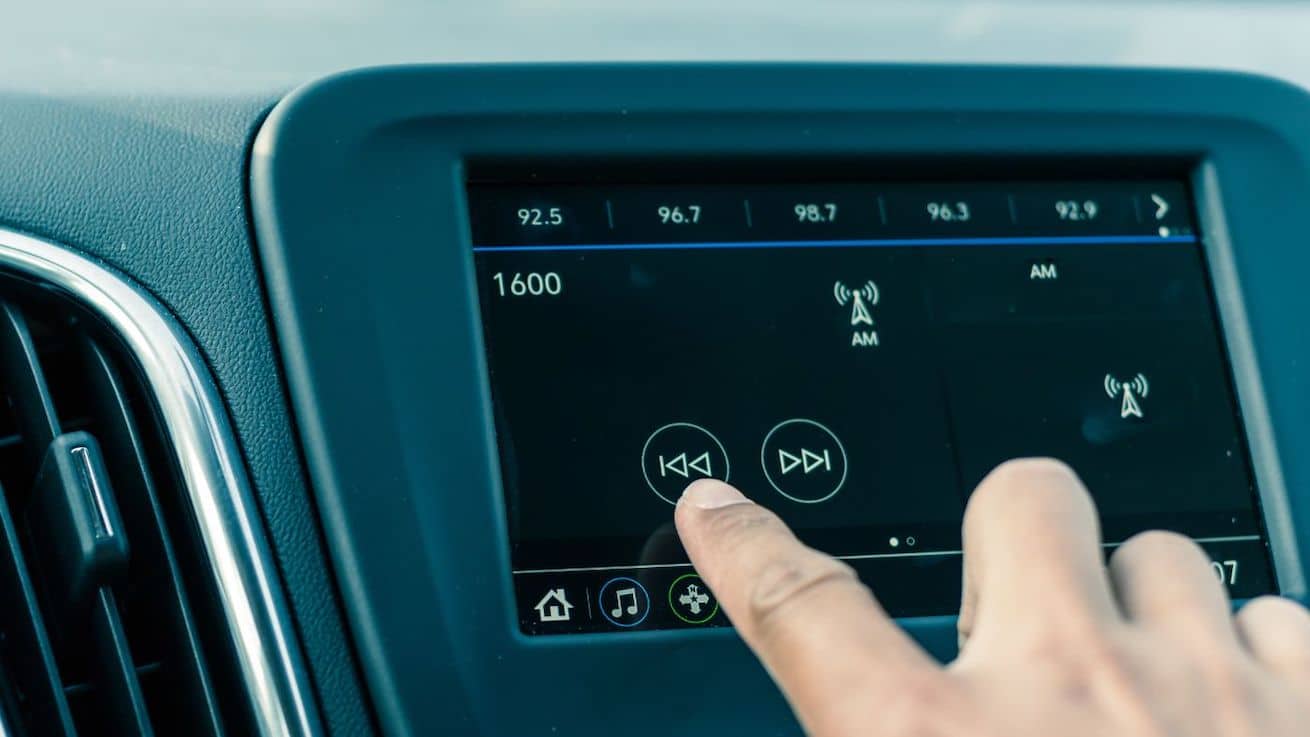
The radio of your Silverado isn’t working due to some issue with the radio or the speakers. A hardware that undergoes extreme wear and tear over time it can lead to various malfunctions. It could also be because of a blown fuse.
A fuse can burn out due to electrical overloads, perfectly blocking the flow of electricity and eventually resulting in no sound. Wires connecting your radio to speakers may also be loose or broken, causing some other wiring issue.
Alternately, it could also be a problem of your radio being stuck in ‘mute’ mode accidentally. You may be out of range from the radio station you’re on since you might have a temporary loss of signal. Remove any door chime on your truck and replace the main fuse if it is blown.
How do I reset my Chevy radio?
If you are facing any problems, with the radio in your Chevy, such as connectivity errors or glitches the first step towards resolving them is to reset the radio system. To do this start by turning on your vehicle and initializing the radio.
Depending on the model of your Chevy there may be a button located on the front of the radio. If there is one, press. Hold it for a seconds until the system restarts. In case your radio does not have a button you can try removing the damaged radio fuse from the fuse box.
Remember to turn off your car before attempting to do this for your own safety reasons. By removing the fuse you cut off power to the radio effectively resetting it. Once you have removed and reinserted the fuse turn your car on.
Why do I have power to my radio but no sound?
There are a number of reasons whether your radio could have power but no sound. Your speaker cables may have suffered damage or disconnection which is one of the common problems.
Your stereo system may have a malfunctioning amp causing this issue, perhaps in a car, as its job is to boost up the strength of the received signal to the radio. The gain knob may be turned down too much or the mute function turned on by mistake.
It may also be the case with some internal problems like damaged wires or blown speaker. Finally, if you use any external devices like a phone or mp3 player with the car stereo, you need to check the volume controls of these devices.
Troubleshooting these issues may require some expertise or professional help. Contact tech support on your local dealership to find out what could be the problem if it persists. Check if a software update can restore audio functionality.

You could’ve just scratched the surface, but you really went in. Respect.